
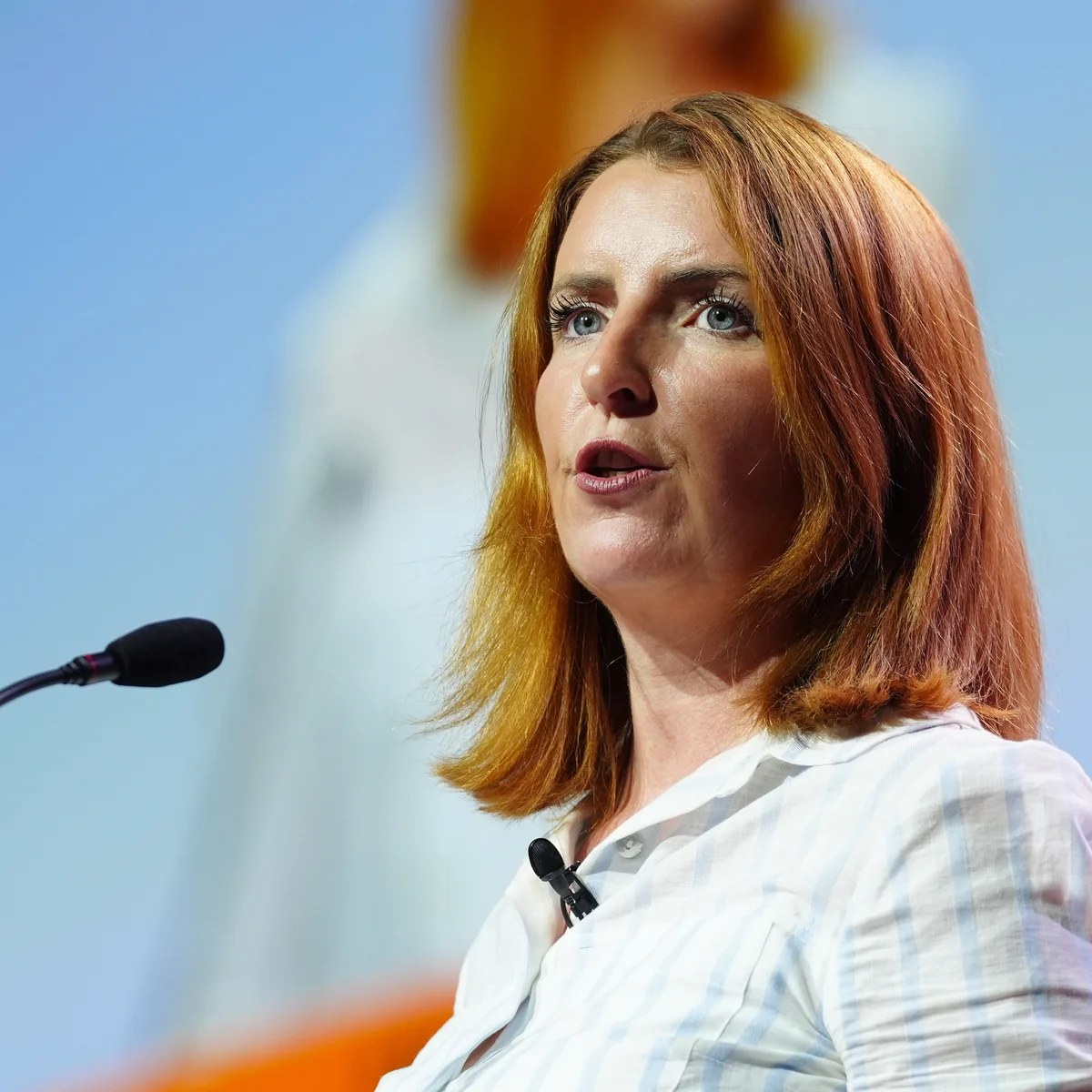
Louise Haigh, the UK first secretary, got a standing ovation from trade union members in Brighton this week, as she acknowledged what she called “the necessity to be bolder in this second chance that we’ve been allowed”.
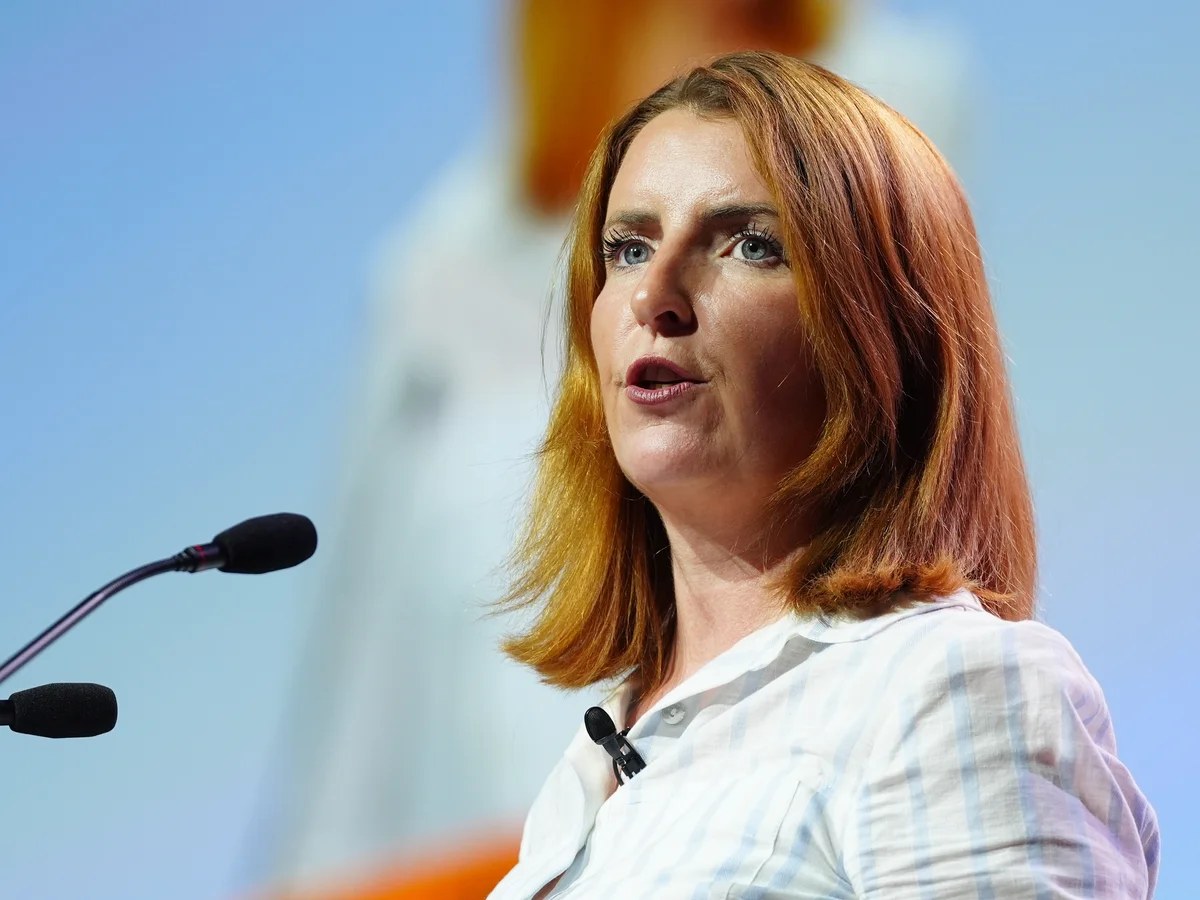
Haigh was the stand-in at the annual TUC congress for Andy Burnham, absent because of his father’s death.
The headlines from the seaside gathering were dominated by party funding, after Reform announced £72m of donations in a single weekend and Unite called for a cap on donations by individuals in response.
But as they gathered to swap gossip in Brighton’s pubs and hotel bars, senior union figures seemed reinvigorated for the moment by the “Burnham bounce”.
Relations between the new No 10 team and the unions – including those less than popular with Keir Starmer’s regime – have improved significantly; general secretaries speak warmly of recent chats with “Andy”.
Yet there is a clear sense that the real tests are to come – on the implementation of improved workers’ rights; on oil and gas licences, of particular concern to Unite and the GMB; and on John Healey’s crucial autumn budget.
TUC delegates voted through policy statements on a slew of tricky issues in Burnham’s prime ministerial in-tray, from the future relationship with the EU – unions want him to drop Labour’s “red lines” – to Shabana Mahmood’s migration reforms.
And senior union figures were keen to point to issues they see as make-or-break.
Joanne Thomas, the general secretary of Usdaw, said she was pleased to see her former schoolmate Jonathan Reynolds back in cabinet as business secretary – but would judge him by results.
In particular, she hopes to see the provisions in the Employment Rights Act on abolishing zero-hours contracts implemented in a way that embraces all workers in the retail and hospitality sectors she represents.
“A lot of people think, job done – but the implementation means everything,” she said. “For this to make a real difference to people’s lives, we need to get it right. We want everybody to have a contract that reflects the hours they work.” The TUC is also gearing up to campaign on the issue in the coming weeks and months.
“We will be getting our message out loud and clear, to Johnny Reynolds in particular,” she said. “It’s about reducing that one-sided flexibility, which employers have got in abundance.”
Thomas also echoed a concern shared by several other senior union figures, about whether Reynolds’s newly expanded Department for Business, Innovation, Science and Trade (BIST), would end up lacking focus.
“I would like to see a minister for work. BIST has so much to do, I worry that the labour stuff gets lost,” she warned.
Mike Clancy, general secretary of Prospect, whose members include scientists and engineers – and which is not affiliated to Labour – expresses a similar concern, from a different perspective.
Prospect is campaigning against real-terms cuts to science budgets by the taxpayer-backed UK Research and Innovation agency. Clancy frets that folding science into the department may lead to it being seen primarily through a business lens.
“This is the first test of BIST … and whether this department’s really going to understand science culture,” he said.
The GMB and Unite are waiting anxiously for the government’s ruling on the controversial question of whether to allow drilling in the Jackdaw gas and Rosebank oilfields.
A decision had previously been expected this week, but appears to have been postponed until after the Holborn and St Pancras byelection in early October, in which the Green party’s leader in England, Zack Polanski, is standing.
The two unions’ leaders are such ardent champions of continuing to exploit the North Sea’s declining fields, that Unite’s Sharon Graham and the GMB’s Gary Smith raised concerns about the idea that former energy secretary Ed Miliband would be Burnham’s chancellor.
“What that gives us is time,” Graham said of the idea of exploiting Jackdaw and Rosebank. “It gives time for someone to get their backside into gear and realise we have to create an industry over the other side of this, whether it’s green fuel, whether it’s something else. All of that has to be done before you start saying you’re going to choke off what’s going on over here.”
But the apparent delay until after a tricky London byelection underlines the fact that other parts of Labour’s electoral coalition are unlikely to welcome a “yes” to future drilling.
Meanwhile Graham, who was an outspoken critic of Starmer, said she hoped the first Burnham budget would contain what she characterises as “winter fuel in reverse”.
Rachel Reeves’s early decision to severely limit winter fuel payments to pensioners – eventually reversed – came to symbolise the last government’s missteps. “The abhorrence of that: do something as good as that,” Graham said.
Unite’s (costly) suggestion is for the government to unfreeze the income tax thresholds that have seen a growing number of workers dragged into paying the basic or higher rates, and take fresh action on household bills.
Healey has hinted he would like to do more to give the public a “breathing space” in the face of rising energy costs.
But the shaky global backdrop, with oil prices rocketing and febrile markets driving up interest rates on government bonds, means he is likely to be left with little room for manoeuvre against Labour’s fiscal rules.
For Graham, the answer is obvious: tax the wealthy more, and tax the banks. She rejects the idea that bond market turbulence is a reason for caution.
“We cannot keep being told that we cannot do anything because of the markets. Because if that is the case, what is the point of us electing politicians?” she asked delegates in a fiery speech on Monday afternoon. The TUC has also called for a bank windfall tax to fund energy support.
Judging by the mood music emerging from the Treasury of a “focused” budget with big spending decisions kicked into next year, Graham looks set to be disappointed.
And as Farage’s lavishly funded Reform gears up for the next general election, the pervasive anxiety in Brighton this week was the same one that preoccupies even senior figures in the new government. The radical rhetoric of Burnham’s early weeks in power seems to have won him a fresh hearing with voters – but in straitened times, can he match them with action?