
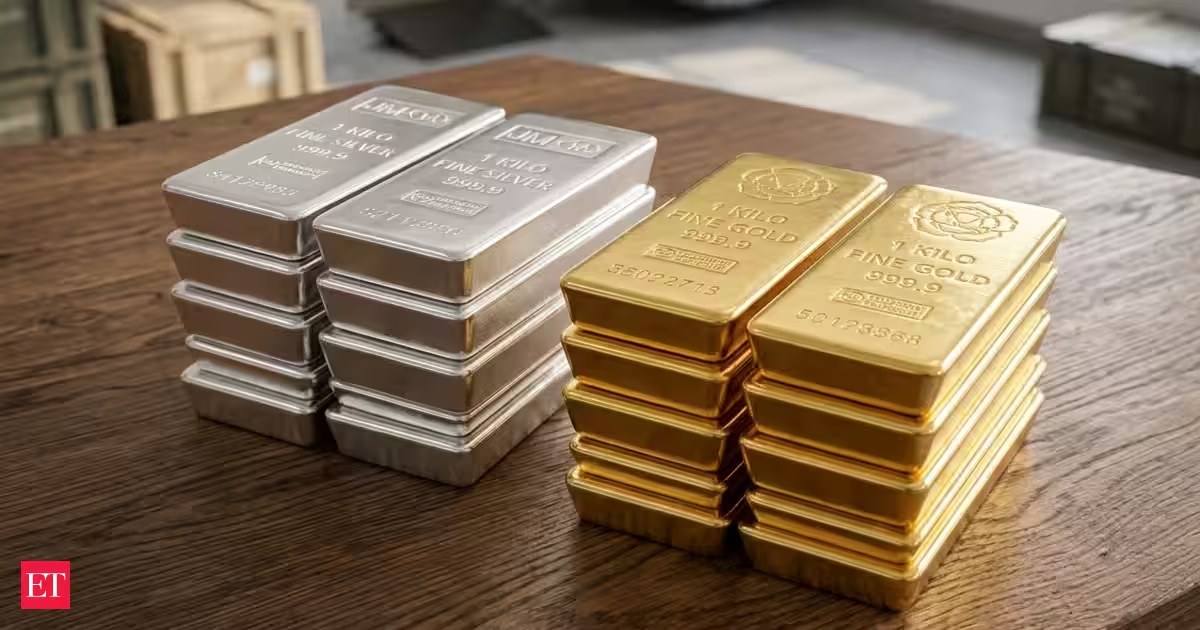
Why is gold price down by 2.7% and silver price by 4.9%, and will precious metals continue to drop or rise again to dream levels?
Gold prices dropped sharply on Thursday after reaching the highest level in two weeks earlier in the day. Spot gold fell 2.7% to $4,622.59 per ounce. US gold futures dropped 3.4% to $4,649. Silver prices fell 4.9% to $71.44 after earlier falling more than 7%. Other precious metals also declined. Platinum fell 2.3% to $1,918.38. Palladium dropped 0.6% to $1,463.75.Despite the fall, gold remains on track for about a 3% weekly gain. The price had earlier reached the highest level since March 19 before reversing.
The main trigger was a surge in oil prices. Oil jumped nearly 7% after the United States confirmed aggressive strikes on Iran and said the conflict was nearing completion of strategic objectives. Investors had expected signals of an end to the conflict. The new statement reduced hopes of peace and pushed energy prices higher.
Why is gold price down by 2.7% and silver price by 4.9%?
The decline in precious metals is linked to inflation fears and interest rate expectations. Analysts say gold and oil have shown a negative relationship during the Iran conflict. When oil rises, inflation concerns increase. Higher inflation reduces expectations of interest rate cuts.When markets expect interest rates to stay high, gold becomes less attractive. Gold does not pay interest or yield. Investors prefer assets that provide returns when rates are high.
After the latest developments, expectations for US Federal Reserve rate cuts dropped. Market data shows the probability of a December rate cut fell to 14% from around 25% before the announcement.
At the same time, the 10-year US Treasury yield moved higher. The US dollar index also strengthened. A strong dollar makes gold more expensive for global buyers. This reduces demand and puts pressure on prices. Analysts say the dollar has become the preferred safe haven for investors. This shift has reduced flows into gold.
Gold and silver fall explained
The recent fall in gold and silver came after oil prices surged and market expectations changed. Investors reacted quickly to new signals about inflation and interest rates.Gold and silver usually benefit when interest rates fall. These metals do not provide interest income. When rates stay high, investors move money to bonds and the US dollar. This reduces demand for precious metals and pushes prices lower.
The rise in oil prices played a major role. Higher oil prices increase inflation concerns across the global economy. When inflation fears grow, central banks often delay interest rate cuts. Markets now expect fewer rate cuts from the US Federal Reserve, which has pressured gold and silver.
The US dollar also strengthened at the same time. A stronger dollar makes gold and silver more expensive for buyers using other currencies. This reduces global demand and leads to price declines. Higher bond yields added more pressure because investors shifted to assets that offer returns.
The price drop reflects short-term market reactions rather than a complete change in long-term demand. Precious metals still respond to global uncertainty, inflation risks, and economic slowdown fears. These factors continue to influence whether prices fall further or move higher again.
Will precious metals continue to drop or rise again to dream levels?
Market experts say the long-term outlook for precious metals remains uncertain but not negative. The recent fall is driven by short-term factors such as oil prices, interest rate expectations, and currency movements. However, structural demand for gold still exists.Gold often rises during global uncertainty, inflation fears, and economic slowdown. These drivers have not disappeared. If inflation remains high, central banks may continue to buy gold as a reserve asset. Investors may also return to gold during geopolitical uncertainty. However, if the US Federal Reserve keeps interest rates high for longer, gold may face pressure in the short term.
The direction will depend on three factors:
- Inflation trends
- Interest rate decisions
- Geopolitical tensions
Analysts insights and market outlook
Market analysts say recent price movements reflect a shift in safe-haven demand. One view suggests the dollar has replaced gold as the main safe-haven asset for now. Higher interest rates increase returns on US bonds and strengthen the dollar. This reduces gold demand.Another view says the long-term bullish trend for gold remains intact. Central bank buying, geopolitical risks, and inflation may support future price gains.
Some analysts believe gold could return to record levels if interest rates fall in the future. Others say the metal may trade sideways until clearer signals emerge from the US Federal Reserve.
Silver may remain more volatile than gold because it has industrial demand in addition to investment demand. Economic growth concerns may affect silver more strongly.
What should investors do now?
Investors are watching central bank decisions and global conflict developments.Short-term volatility may continue due to:
- Oil price movements
- Interest rate expectations
- Currency strength
Long-term investors often treat gold as a hedge against inflation and economic uncertainty. Some analysts say price drops may attract buyers looking for long-term exposure.
However, traders may remain cautious until interest rate expectations change. Diversification and risk management remain key strategies during uncertain market conditions.
FAQs
Q1: Why do rising oil prices affect gold and silver prices?
Rising oil prices increase inflation expectations. Higher inflation reduces chances of interest rate cuts. This strengthens the dollar and bond yields, which lowers demand for non-yielding metals like gold and silver.
Q2: Is this a good time to invest in precious metals after the price drop?
Some investors view price drops as buying opportunities for long-term holding. Others wait for clarity on interest rates and inflation before investing, as short-term volatility in precious metals may continue.
(Catch all the US News, UK News, Canada News, International Breaking News Events, and Latest News Updates on The Economic Times.)
Download The Economic Times News App to get Daily International News Updates.