
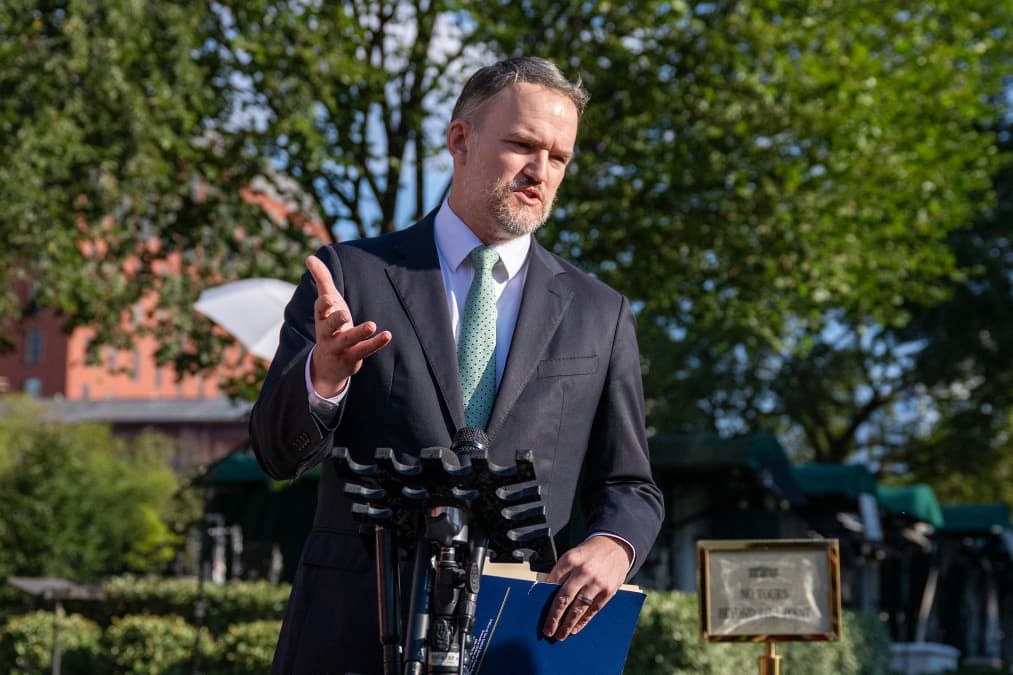
U.S. Trade Representative Jamieson Greer told CNBC on Friday that the U.S. and China have reached agreements covering a subset of goods the two countries can trade on more favorable terms, marking fresh progress in negotiations between the world's two largest economies.
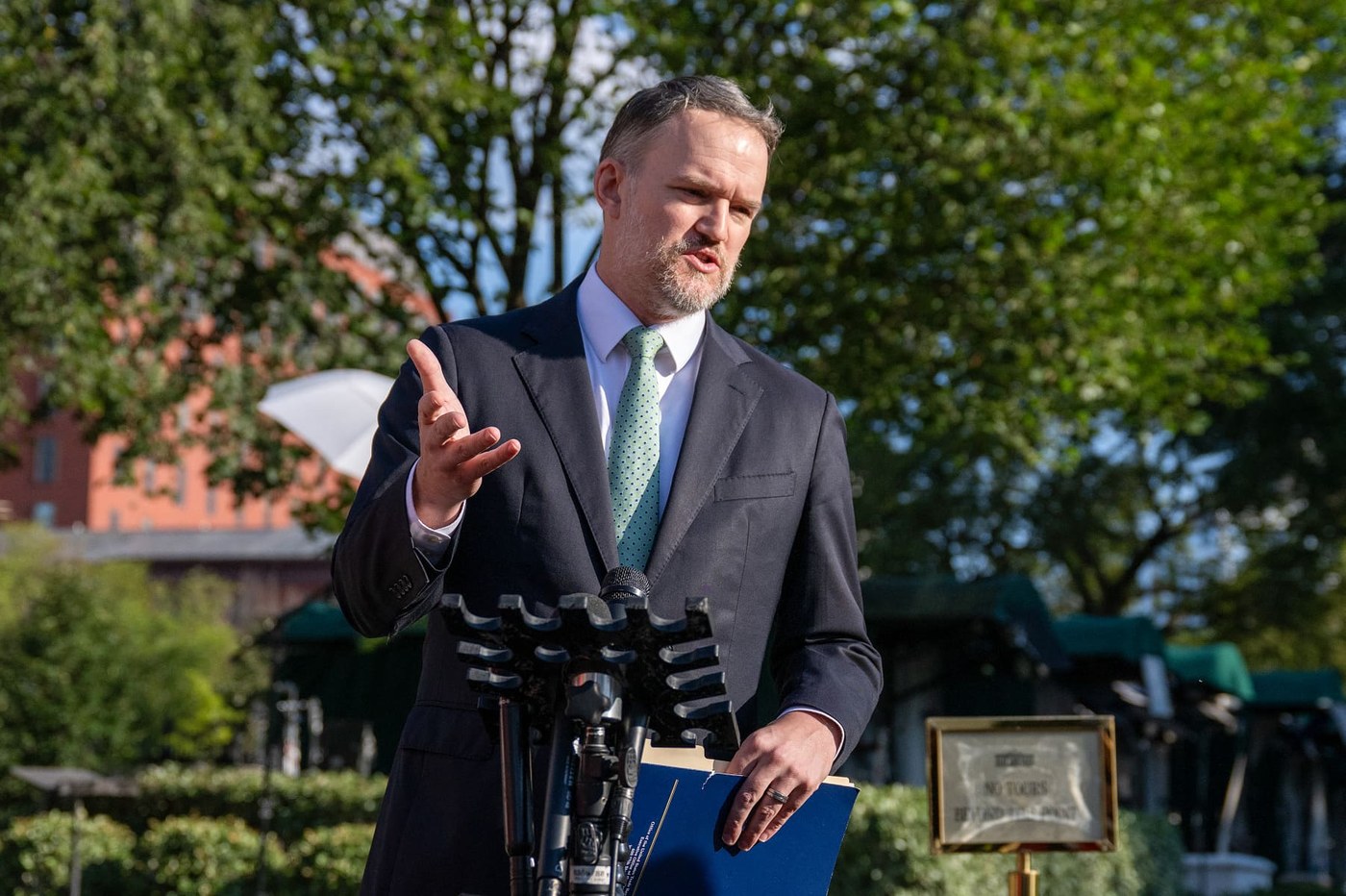
"We've actually reached agreement with the Chinese on a number of these things," Greer said on CNBC's "Squawk Box," referring to goods including U.S. agricultural products and medical devices and Chinese consumer goods considered nonsensitive.
Greer said the Trump administration plans to release "a lot more details" Monday about what the two sides have accomplished in negotiations over the past several weeks. He said the goal is to carve out areas of trade that could remain insulated from future tariff measures or broader trade disputes.
The two countries want some goods to be traded on a "more preferential basis" and potentially left aside if either country imposes new tariffs.
Greer did not specify Friday which products are covered by the agreements, how tariffs on those goods could change or when the new terms would take effect. Negotiations under the new U.S.-China "Board of Trade" mechanism are focused on "pure trade issues," Greer said, rather than U.S. national security restrictions on advanced technology.
"All those export controls that are national security issues, we take those off the table," Greer said.
President Donald Trump and Chinese President Xi Jinping, after they met in Beijing in May, announced the establishment of the Board of Trade to manage trade between the two rivals in nonsensitive products. Businesses have been waiting for more details on what categories of trade would be set aside under the new framework for lower tariffs.
The news comes as Washington and Beijing have also agreed to extend their broader trade truce by two months, giving the two sides more time to negotiate over long-standing economic disputes.
Greer said Friday that the U.S. views those two months as "compliance periods" to assess whether China is following through on earlier commitments, including purchases of U.S. soybeans and other agricultural products and access to rare earths needed by American manufacturers.
"Whenever we have these compliance periods that roll over, it's a time for us to assess, reassess and determine whether or not to continue this period of relative peace on the economic front with the Chinese," Greer said.
Meanwhile, tariffs have sharply altered U.S. trade flows. Greer said Friday that the U.S. goods trade deficit with China has fallen nearly 40%, while acknowledging that some trade has shifted to other countries as companies adjust their supply chains.
Mexico has been one beneficiary of that shift. U.S. imports from Mexico reached a record $60.6 billion in July, according to the Census Bureau. The seasonally adjusted U.S. goods deficit with Mexico increased by $7.2 billion that month to $27.5 billion, according to the Census Bureau.
"When you impose tariffs ... you see market actors starting to do what market actors do, which is respond to new terms of trade, respond to new incentives in the market," Greer said. "We're actually seeing a lot come back to North America."
Greer's comments also provided new detail from the U.S. side following Trump's meeting with Xi at the White House on Thursday. Beijing has so far released a more detailed public account of the talks than Washington.
Xi told Trump on Thursday that artificial intelligence presents greater opportunities for U.S.-China cooperation than competition, according to a Chinese state media readout.
"The two sides can continue AI dialogue, exchange views on risks and benefits, and together guard against the misuse or malicious use of AI," Xi said, according to a CNBC translation of the readout.
Trump, in a Truth Social post Friday morning, called the meeting with Xi "very productive" and said the Chinese leader appeared receptive to Trump's preferred term of "SUPER INTELLIGENCE" for artificial intelligence.
"Tremendous things will be happening," Trump wrote.